





Driver 1: High-Value Buyer
 |
At a GlanceThe High-Value Buyer is not searching for the lowest price. They are looking for the right product, a smooth experience, and confidence in the decision. They often build larger baskets, consider premium options, and show strong purchase intent before checkout. During BFCM, they are among the most valuable shoppers on the starting grid, but only if retailers resist the urge to treat every pause as a request for a discount. Race StrategyThis shopper runs a deliberate race. Before Black Friday, they may validate their decision, read reviews, check sizing, and continue evaluating the same products several times. By the time they reach checkout, they are usually close to buying. If they leave, price is not always the issue. They may have been interrupted, switched devices, or decided to complete the purchase later. Automatically sending a coupon can reduce margin without improving the outcome, and may teach a full-price customer to wait for future incentives. The goal is not to push harder. It is to recognize valuable intent and remove friction at the right moment. |
For this shopper, the opportunity is larger than a single BFCM conversion. When brands identify premium intent early and respond with the right experience, they can protect margin in the moment while creating stronger paths to repeat purchase, cross-sell, and long-term customer value.

Pit Crew NotesNot every shopper who pauses needs a discount. The challenge is distinguishing genuine price resistance from high-value consideration. Signals such as repeat visits, premium product interest, longer evaluation periods, and cross-device activity often indicate a shopper who is already committed to buying. Wunderkind AMP helps brands connect these signals into a complete view of customer intent, enabling teams to preserve margin by delivering reassurance, restoring the shopping journey, or simply removing friction instead of defaulting to promotions. That same signal set can also help brands avoid wasting paid media on shoppers who are already likely to convert through owned channels. When high-intent buyers are recognized accurately, marketers can focus on where it is actually needed instead of over serving shoppers who already plan to purchase. |
Winning StrategyEmail: Reinforce the purchase with reviews, product details, and personalized reminders rather than leading with a discount. SMS: Use selectively for low-stock alerts, cart recovery, or time-sensitive delivery information. Onsite: Preserve browsing history and cart contents so returning shoppers can rejoin the race without starting over. Offers: Protect margin. Test value-added benefits, such as free expedited shipping or premium bundles, before applying a percentage discount. Personalization: Recommend complementary products that increase basket value and make the purchase feel more complete. Paid Media: Reduce redundant remarketing when owned channels are already performing, and use high-intent product signals to keep messaging aligned across channels. |
Best Time to EngageBefore BFCM: Build confidence with early access, wish list reminders, and premium product content. Black Friday: Prioritize convenience, availability, and a fast path back to checkout. Cyber Monday: Highlight bundles or added value instead of deeper markdowns. After Purchase: Follow with relevant care guidance, replenishment, loyalty, or cross-sell messaging. Post-Season: Use premium purchase behavior to guide VIP, loyalty, and repeat-purchase journeys that extend value beyond BFCM. |
Victory FormulaRecognize premium intent early Simplify the path to purchase across sessions and devices Reserve discounts for true price resistance Extend the relationship beyond BFCM Protect margin while increasing long-term customer value |
Driver 2: Cross-Device Researcher
|
|
At a GlanceThe Cross-Device Researcher doesn't follow a straight line to purchase. They discover products on one device, compare options on another, and often complete their purchase somewhere entirely different. While the experience feels seamless to the shopper, many retailers see disconnected sessions and anonymous visitors instead of one customer. During BFCM, recognizing these connected journeys can mean the difference between winning the sale or losing it to a competitor. Race StrategyThis shopper is constantly changing lanes. A product might be discovered on Instagram during the morning commute, researched on a work laptop over lunch, and purchased from a mobile phone later that evening. Every interaction moves them closer to the checkered flag, but without a connected view of the customer, retailers often restart the conversation with every visit. |

That creates friction at the worst possible time. Product recommendations become irrelevant, carts disappear, and shoppers are forced to retrace their steps during the busiest shopping event of the year. The advantage doesn't come from sending more messages, it comes from recognizing it's the same shopper every time they return.
That recognition does more than improve continuity. It also turns fragmented traffic into usable identity across CRM, email, SMS, and paid media, helping brands capture more value from every engaged shopper instead of letting that intent stay anonymous.

Pit Crew NotesDisconnected customer journeys create disconnected marketing. When retailers can't recognise the same shopper across devices, every visit becomes a fresh start. Identity resolution changes that. By connecting customer identity with live behavioral data, Wunderkind AMP allows brands to continue conversations rather than restart them, creating seamless experiences across email, SMS, and onsite touchpoints that reflect where the shopper actually is in their journey. A connected identity layer also helps marketers reduce overlap between owned and paid channels. Instead of paying to rediscover the same shopper repeatedly, brands can suppress wasted impressions, impressions, improve targeting, and build more useful audiences from real browse and cart behavior. |
Winning StrategyEmail: Continue the journey with personalized reminders featuring recently viewed products and categories. SMS: Use for timely cart recovery or inventory updates once identity has been established. Onsite: Restore carts, browsing history, and product recommendations across every device. Timing: Maintain consistent messaging before and throughout Cyber Week as shoppers move between channels. Personalization: Use connected behavioral data to ensure every touchpoint reflects the shopper's latest interests, not outdated sessions. Capture: Use wish lists, alerts, and sign-ups to turn cross-device interest into known profiles that can be activated across the stack. Paid Media: Suppress shoppers already being reached effectively through owned channels and use browse or cart signals to improve audience quality. |
Best Time to EngageBefore BFCM: Capture identity early through wish lists, sign-ups, or product alerts. Black Friday & Cyber Monday: Prioritize seamless continuity across every device and channel. After Purchase: Use connected customer history to power personalized recommendations and future campaigns. After the First Sign-Up: Treat every captured identifier as an opportunity to improve future recognition, personalization, and media efficiency. |
Victory FormulaRecognize shoppers across devices and sessions Preserve carts and browsing history throughout BFCM Deliver consistent experiences across email, SMS, and onsite Build every interaction on the customer's last touchpoint rather than starting over Turn fragmented behavior into a stronger known-customer foundation |
Driver 3: Deal Seeker
 |
The Deal Seeker lives for the thrill of finding the best offer. They're patient, price-aware, and willing to wait for the right moment before making a purchase. During BFCM, they represent a significant opportunity, but only for retailers who can balance promotional appeal with profitability. Winning isn't about offering the deepest discount. It's about delivering the right offer at the right time. Race StrategyThe Deal Seeker rarely jumps into the fast lane first. They monitor prices, compare retailers, sign up for alerts, and often leave items in their cart while waiting to see if a better offer appears. They'll happily switch brands if they believe there's more value elsewhere. Unlike the High-Value Buyer, price is their primary decision driver. They enjoy the challenge of securing the best deal and are motivated by savings, exclusivity, and the fear of missing out. Create urgency without entering a race to the bottom on price. This shopper can also be highly valuable beyond the initial promotion if brands use capture and follow-up intelligently. Price-drop alerts, early access, and category-specific messaging can turn short-term deal interest into a longer-term owned-channel relationship. |

Pit Crew NotesPromotions are most effective when they're earned, not expected. Instead of discounting every visitor, leading retailers reserve incentives for shoppers who consistently demonstrate price-sensitive behaviour. Wunderkind AMP helps identify those moments, allowing brands to deliver targeted offers where they're most likely to influence conversion while protecting margin from shoppers who would purchase without an additional incentive. Those same signals can also make paid media more efficient. If a shopper is already responding to email or SMS offers, marketers can reduce unnecessary paid frequency and reallocate spend toward audiences they are not reaching through owned channels. |
Winning StrategyEmail: Promote limited-time offers, exclusive access, and price-drop notifications that create urgency. SMS: Use for flash sales, expiring promotions, and last-chance reminders during Cyber Week. Onsite: Surface current offers, countdown timers, and personalized savings without overwhelming the shopping experience. Offers: Use targeted discounts, bundles, or free shipping based on demonstrated price sensitivity rather than offering the same incentive to every visitor. Personalization: Tailor promotions based on browsing behavior, abandoned products, and previous offer engagement. Capture: Prioritize promotional sign-ups, price-drop alerts, and early-access opt-ins that create measurable future revenue opportunities. Paid Media: Adjust frequency when shoppers are already engaged through owned channels, and use discount-interest signals to refine retargeting audiences. |
Best Time to EngageBefore BFCM: Encourage sign-ups with early access and exclusive promotional alerts. Black Friday: Lead with compelling offers and limited-time promotions. Cyber Monday: Increase urgency with final-day messaging and expiring deals. After Purchase: Re-engage with loyalty rewards and personalized offers that encourage repeat purchases beyond Cyber Week. Post-BFCM: Use purchase and offer-engagement behavior to separate one-time bargain hunters from shoppers who can be nurtured into repeat customers. |
Victory FormulaIdentify shoppers motivated primarily by price Deliver targeted offers instead of blanket discounts Create urgency through exclusivity and limited availability Protect margins by matching incentives to shopper behavior Turn promotional engagement into future owned-channel value |
Driver 4: The Speed Shopper
|
|
At a GlanceThe Speed Shopper arrives with a clear destination and wastes no time getting there. They've already made most of the buying decisions, expect a seamless experience, and are quick to abandon brands that slow them down. During BFCM, speed becomes a competitive advantage. The retailer that delivers the fastest path to purchase is often the retailer that wins. Race StrategyThe Speed Shopper is first off the starting grid. They've often researched products before BFCM begins or are returning to buy something they've already decided on. They aren't looking for inspiration, they're looking for efficiency. Every extra click, page load, login prompt, or unnecessary form creates an opportunity to exit the race. If checkout feels complicated or they can't quickly find the product they came for, they'll move on to a competitor without hesitation. This shopper doesn't need convincing. They need momentum. |
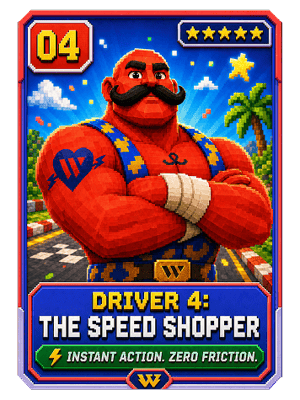
But speed in the moment should also create value after the sale. When brands turn a fast checkout into a known profile with saved preferences, account creation, or future replenishment signals, they make the next purchase faster too.

Pit Crew NotesFor this shopper, convenience is the conversion strategy. Every unnecessary step introduces risk. Recognising returning shoppers instantly, restoring carts, and surfacing relevant products can have a greater impact than another promotional message. Wunderkind AMP enables brands to reconnect shoppers with their existing journey, helping them move from intent to purchase with as little friction as possible. Once that journey is identified, marketers can also reduce wasted paid spend against shoppers who are already progressing quickly through owned channels. Speed improves conversion, but it can also improve efficiency when brands know when to stop chasing a shopper elsewhere. |
Winning StrategyEmail: Keep messages short, personalized, and action-oriented with a direct path back to checkout. SMS: Use for flash sales, cart reminders, and low-stock alerts where immediacy matters. Onsite: Prioritize fast page loads, persistent carts, express checkout, and recently viewed products. Offers: Highlight convenience, availability, and shipping speed before increasing discounts. Personalization: Surface the products shoppers have already viewed or purchased rather than introducing unnecessary discovery. Capture: Encourage account creation, saved carts, and checkout preferences that make future conversions easier and more measurable. Paid Media: Delay or reduce remarketing when the shopper is already engaged and progressing through high-intent owned-channel touchpoints. |
Best Time to EngageBefore BFCM: Build wish lists and encourage account creation for faster checkout. Black Friday: Deliver real-time reminders when promotions begin and maintain a frictionless purchase experience. Cyber Monday: Reinforce urgency with inventory and deadline messaging. After Purchase: Keep communications concise with shipping updates and relevant replenishment or accessory recommendations. Longer-Term: Use purchase cadence and product signals to trigger timely repeat-purchase journeys without adding friction. |
Victory FormulaMinimize every step between product discovery and purchase Recognize returning shoppers instantly Prioritize speed over persuasion Preserve momentum across every touchpoint Turn one fast purchase into a faster second one |
Driver 5: The Considered Browse
|
|
At a GlanceThe Considered Browser is interested, but not yet committed. They explore categories, revisit products, compare options, and build confidence over time before deciding whether to buy. During BFCM, they can look deceptively passive, yet their repeated behavior often signals emerging intent. The opportunity is to help them move forward without forcing urgency too early or overwhelming them with promotions before they are ready. Race StrategyThis shopper takes time to find the right racing line. They may browse several categories, open multiple product pages, save items for later, and return repeatedly without adding anything to their cart. Their hesitation is not necessarily a sign of low intent. More often, they are narrowing the field, testing their preferences, and waiting for enough information to make a confident choice. |
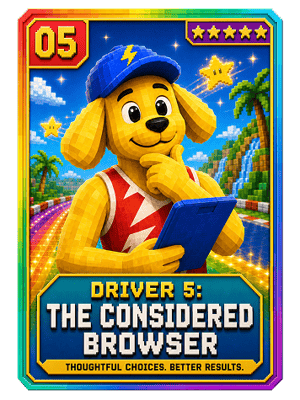
BFCM can accelerate that process, but it can also make it harder. Too many offers, competing messages, and rapidly changing prices can create choice paralysis at the exact moment this shopper needs clarity. The winning move is not to pressure them into checkout. It is to reduce uncertainty and make the next step feel easier.
This shopper is also one of the clearest opportunities to turn anonymous interest into a known customer journey. If retailers capture interest at the right moment, they can nurture the first purchase more effectively and create value long after BFCM ends.

Pit Crew NotesThe strongest buying signals often appear long before a cart is created. Repeated product views, category exploration, comparison behaviour, and return visits all indicate growing confidence, even when checkout still feels some distance away. Wunderkind AMP helps retailers recognise these early signals and respond with experiences that educate, reassure, and narrow choice, guiding shoppers forward without forcing the decision. Those same browse signals can inform smarter paid media too. Instead of relying only on purchase audiences, brands can use higher-intent browsing behavior to shape retargeting, improve audience quality, and keep spend focused on shoppers showing real movement toward conversion. |
Winning StrategyEmail: Use personalized browse follow-ups that help shoppers compare products, understand differences, and revisit their strongest interests. SMS: Introduce only when the shopper has opted in and shown clear momentum, such as repeat visits or interest in low-stock items. Onsite: Make comparison easier with recently viewed products, saved preferences, reviews, and clear product information. Offers: Avoid discounting too early. Use limited-time value messages only when they help resolve indecision rather than replace it. Personalization: Narrow the choice set based on real behavior instead of presenting more options. Capture: Use product alerts, wish lists, and helpful sign-up moments to convert browsing intent into a known profile you can nurture toward first purchase. Paid Media: Build or refine audiences from high-intent browse behavior rather than waiting for a cart event. |
Best Time to EngageBefore BFCM: Capture interest through product alerts, wish lists, and useful buying content. Early November: Help shoppers shortlist options before promotional noise peaks. Black Friday: Surface relevant products and provide a clear path back to consideration. Cyber Monday: Use final-day urgency selectively for shoppers already showing strong intent. After Purchase: Reinforce confidence with onboarding, care guidance, and complementary recommendations. Beyond the First Purchase: Use the same behavioral understanding to personalize future journeys and increase repeat engagement over time. |
Victory FormulaIdentify repeated consideration before cart activity Reduce choice rather than add more noise Use content to build confidence Apply urgency only when intent is already established Turn early browsing signals into first-purchase and future-value opportunities |
Driver 6: The Privacy-Conscious Shopper
|
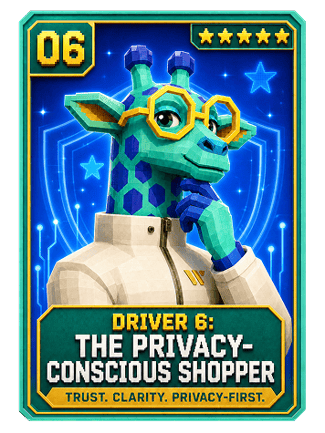
At a GlanceThe Privacy-Conscious Shopper values control as much as convenience. They are willing to engage with brands, but only when there is a clear exchange of value. They think carefully before sharing personal information, dismiss intrusive experiences, and expect brands to respect their preferences. During BFCM, earning their trust is just as important as earning their purchase. Race StrategyThis shopper doesn't take shortcuts. They may browse anonymously, compare products across multiple visits, and avoid creating an account until they're confident they're buying. They'll ignore irrelevant pop-ups, abandon experiences that feel invasive, and are unlikely to respond to generic, untargeted marketing. That doesn't mean they don't want personalization, they simply want it delivered transparently and at the right moment. Trust isn't requested, it is earned through every interaction. For this shopper, capture should never feel like a demand. It should feel like a fair exchange. When brands get that balance right, they don't just improve trust. They increase the value of every captured identifier by creating better paths to first purchase, profile growth, and future personalization. |

Pit Crew NotesTrust is built through relevance as much as transparency.
Privacy-conscious shoppers are willing to share information when the value exchange is clear and every interaction feels respectful. Wunderkind AMP helps brands create personalized experiences using privacy-first identity and first-party behavioral signals, allowing marketers to increase relevance without relying on third-party cookies or intrusive tactics. That matters commercially as well as ethically. A stronger identity foundation helps brands rely less on guesswork, improve how known users are activated across systems, and create more durable customer relationships over time. |
Winning StrategyEmail: Clearly communicate the value of subscribing, such as exclusive access, personalized recommendations, or post-purchase support. SMS: Introduce only after trust has been established and explain exactly what shoppers will receive. Onsite: Keep sign-up requests simple, transparent, and well-timed. Avoid interrupting product discovery with unnecessary prompts. Offers: Exchange value before asking for data, whether through early access, wish lists, or personalized product alerts. Personalization: Make every interaction feel helpful, not intrusive, using browsing signals to improve relevance without overwhelming the shopper. Capture: Frame sign-up as a value exchange tied to a real benefit, not a generic acquisition goal. Paid Media: Use privacy-first signals to improve relevance while avoiding wasteful or repetitive retargeting that can erode trust. |
Best Time to EngageBefore BFCM: Build trust through helpful content, transparent messaging, and clear value propositions. Black Friday & Cyber Monday: Focus on convenience, relevance, and a frictionless shopping experience rather than aggressive acquisition tactics. After Purchase: Reinforce trust with useful follow-up communications and preference-driven engagement. Longer-Term: Use preference-led messaging to deepen loyalty and retention without overstepping the relationship. |
Victory FormulaLead with value before requesting personal information Build trust through transparent, relevant experiences Personalize responsibly using first-party purchasing signals Create long-term relationships built on confidence, not cookies Turn trust into stronger profile quality and better long-term customer value |

Beyond the Checkered Flag
The six personas in this guide offer a practical framework for understanding the different shoppers you'll encounter during Black Friday and Cyber Monday. They help explain why customers behave the way they do, what influences their decisions, and how retailers can adapt their marketing to meet those needs.
But no shopper fits neatly into a single lane.
The same customer can display different behaviors throughout the season, or even within the same purchase journey. Shopper patterns are fluid, shaped by context, timing, and intent, not fixed labels. That's why the most successful retailers use personas to guide strategy, not define it.
The real competitive advantage comes from recognizing each shopper as an individual. By combining identity with real-time customer intent signals, retailers can understand where customers are in their journey, respond to changing intent, and deliver the next best experience across every owned channel. Personalization becomes more than inserting a first name into an email, it becomes the ability to adapt every interaction based on what a shopper is doing at that moment. This is where preparation becomes performance.
It is also where the full commercial value comes into focus. Stronger identity and behavioral insight don't just improve campaign relevance. They help brands drive more immediate revenue from triggered messaging, create more value from every captured email, spend media more efficiently, and grow customer value over time.
The brands that outperform during BFCM don't simply send more campaigns or offer bigger discounts. They connect every customer interaction, eliminate unnecessary steps, and make smarter decisions using behavioral insight rather than assumptions. Instead of treating email, SMS, onsite experiences, and AI as separate initiatives, they orchestrate them into a single customer journey that evolves in real time.
They also understand that every BFCM interaction creates more than a momentary conversion opportunity. It creates a chance to identify more shoppers, strengthen future targeting, improve retention, and increase the return on every channel connected to the customer journey.
Most importantly, they recognize that Cyber Week isn't the finish line. Every new subscriber, every first purchase, and every interaction creates an opportunity to build stronger customer relationships, increase lifetime value, and improve performance long after the seasonal promotions have ended.
The checkered flag marks the end of the race, but it's also the start of the next one.
The retailers that continue to lead won't be those with the largest budgets or the deepest discounts. They'll be the ones who understand every shopper's journey, recognize every signal, and know exactly when to accelerate.