



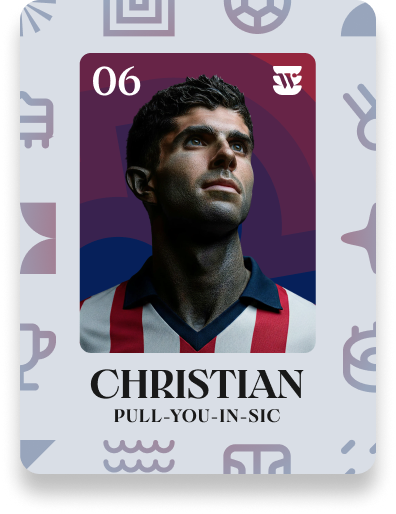
 Christian Pull-you-in-sic is not ready to buy.
That is exactly why he matters.
He lands on the site for the first time looking at a national team jersey, then drifts into a training top, then clicks into a few pieces of supporter gear he absolutely does not need but can still imagine owning by kickoff. He spends enough time to be interesting, but not enough to be called committed. He reads product details. He checks sizing. He leaves.
A few days later, he is back. Not because the brand did something brilliant yet. Just because interest has a way of returning when the thing you looked at keeps floating around in your head. He revisits the jersey. He compares the home and away versions. He opens the back-in-stock note on a smaller size. He lingers a little longer. Still no cart. Still no purchase. Still, if you are paying attention, a very real opportunity.
This is the point in the journey where brands often get awkward. They either ask too soon or not at all. The instant popup arrives before the shopper has even decided whether they like the site. Or the opposite happens: the brand waits so long to make contact that the visitor leaves anonymously and the moment disappears for good. What should feel like an invitation starts to feel either desperate or absent.
The problem is not that brands want to grow their addressable audience. Of course they do. The problem is that too many capture moments are built around the marketer’s urgency instead of the shopper’s readiness.
Christian is the shopper who exposes that gap. He does not need a hard sell. He needs a reason to stay connected. Something proportional to where he is in the journey. A back-in-stock alert. A price-drop notification. Early access to a future release. A useful excuse to raise his hand without pretending he is already ready to check out.
That is why this use case matters. Wunderkind helps brands recognize more anonymous traffic and turn meaningful interest into permissioned relationships they can build on over time. Instead of limiting reach to the audience already sitting in the database, marketers can act on stronger behavioral signals and bring more high-intent visitors into owned channels in ways that feel timely and relevant.
In Christian’s story, the brand earns the ask. It notices that he has returned. It sees that the jersey is not a one-off glance. It understands that the interest is specific enough to justify a better invitation than “sign up for updates.” So the capture moment is tied to the product he actually cares about. Not generic brand language. Not a spray-and-pray offer. A clean value exchange that makes sense.
He gives the email address. That may not look dramatic from the outside. There is no cart recovery triumph. No checkout save. No instant conversion. But it is one of the most important wins in the entire customer journey. Because now the relationship exists. Now the brand has permission. Now the story can continue on terms that are useful to both sides.
A few days later, the follow-up lands. The jersey he liked is still in stock. A related training top is featured. The message feels connected to what he actually did, not to what the brand wished he had done. This time, he clicks through with more intent. The purchase does not happen because the brand got louder. It happens because the brand became more welcome.
That is the distinction marketers should care about. Not every valuable visitor is a recovery story waiting to happen. Some are future revenue waiting for a better introduction. Some are shoppers who are telling you, quietly but clearly, that they are interested enough to stay in touch if you give them a reason that respects the stage they are in.
Christian Pull-you-in-sic matters because he broadens the definition of what a win looks like.
Sometimes the breakthrough is not the immediate sale. It is the moment an anonymous visitor becomes someone you are allowed to know.
And before you win the conversion, you have to win that first bit of trust.