



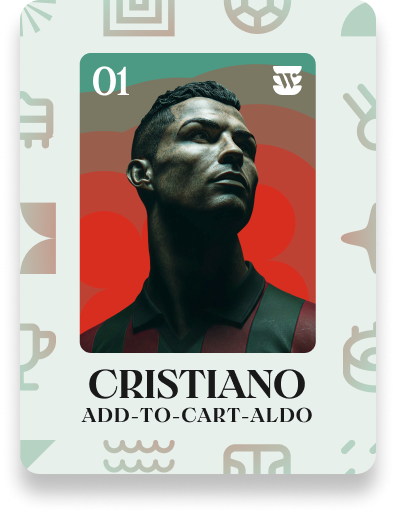
 Cristiano Add-to-Cart-aldo does not shop like someone who is looking for a deal. He shops like someone who already knows exactly what he wants.
If you watched his session in isolation, you would think this one was already won. He moves through the product pages quickly, but not carelessly. He checks sizing. He clicks through the imagery. He reads shipping information. He looks like a shopper with intent, confidence, and enough familiarity with the brand to know what belongs in the basket. Then, just before checkout, he leaves.
That is the moment when too many brands make the same mistake. A high-value cart is abandoned, alarms go off, and the response is automatic: send the 20% off offer. Trigger the discount banner. Push the incentive before the shopper forgets. It feels proactive. It feels like recovery. But often it is just panic wearing a marketing badge.
Because not every abandoned cart is a price problem. Sometimes the shopper left because they got distracted. Sometimes they went to check sizing on another device. Sometimes they wanted to wait until the morning. And sometimes — especially with shoppers like this one — they were fully willing to buy at full price all along.
That is why the difference between a cart recovery strategy and an intelligent decisioning strategy matters so much. Wunderkind helps brands recognize more of their high-intent traffic and act on real behavioral signals, rather than defaulting to the same blunt response every time. When identity makes the shopper more recognizable and decisioning helps determine the next best action, the brand can respond with more nuance: maybe a reminder, maybe a product-forward message, maybe nothing at all yet.
That nuance is where margin lives. In Cristiano’s case, the brand does not rush to give away value. Instead, it recognizes the signals for what they are: high cart value, premium product interest, confident browsing behavior, and no meaningful sign of discount dependence. So the follow-up is lighter. A clean reminder. A well-timed message. A nudge that feels useful, not desperate.
The next morning, he comes back. Not because the brand bribed him. Because the brand stayed relevant. He reopens the cart from his phone while waiting for coffee. The boots are still there. The jersey is still there. The training top is still there. So is the sense that the brand understands where he left off. He checks out at full price before the workday starts.
That outcome matters for more than one order. When brands train high-intent shoppers to expect a discount at the first sign of hesitation, they are not just sacrificing margin once. They are teaching people how to shop them. Wait long enough, and the offer will come. Leave at the right moment, and the markdown will follow. Over time, that behavior becomes expensive.
The smarter play is not to eliminate incentives altogether. Some shoppers need them. Some moments call for them. The point is to stop treating every cart like the same cart.
A premium basket deserves a more thoughtful read. A shopper who looks decisive should not be handled like someone price-shopping across twenty tabs. A brand that can tell the difference protects not only conversion, but perception. It preserves the value of the product, the experience, and the relationship.
That is what makes Cristiano Add-to-Cart-aldo such a useful shopper story. He is not the shopper who needs a louder offer. He is the shopper who proves that recognition is often more valuable than a discount. He reminds marketers that revenue is not only won by converting more carts. Sometimes it is won by converting the right cart in the right way.
And in a market where every team is under pressure to drive more without giving away more, that is not a small distinction.
It is the whole match.