



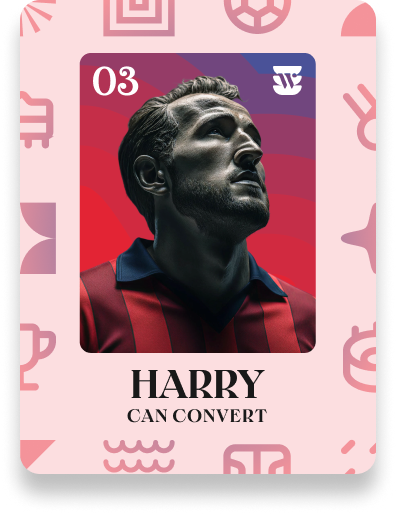
 Harry Can Convert has been thinking about the same pair of boots for four days.
He first found them on a Thursday night, somewhere between watching highlights and pretending he was only browsing. They are not cheap, which is part of the appeal. The colorway is sharp. The reviews are strong. They look like the kind of purchase you justify to yourself three separate times before finally clicking buy.
So he does what high-intent shoppers always do when they are close but not quite there. He reads everything.
He zooms into the product images. He checks the fit guide. He scans customer reviews for any mention of width, break-in time, and whether they feel as fast as they look. He leaves. He comes back the next morning. He opens the page again that night. By Saturday, he has visited often enough that any marketer watching the pattern would say the same thing: this shopper is close.
And yet close is where many journeys stall. This is the danger zone for fixed marketing logic. The rules are usually familiar. If someone views a product enough times, send an email after a set delay. If they do not open that one, send another. If they still do not convert, maybe trigger a text, maybe not. The sequence is there. The journey exists. But it is built around the idea that the best response can be predetermined for everyone.
Harry is the kind of shopper that exposes how brittle that thinking is. Because the issue is not whether he has intent. He clearly does. The issue is timing, channel, and context. A message that lands too late is wasted. A message that says too little is forgettable. A message in the wrong channel may not even be seen. Static logic can acknowledge that he is interested, but it often cannot decide what to do about that interest with enough intelligence or speed to matter.
That is where AI decisioning becomes more than a buzzword. Wunderkind’s approach helps brands move beyond rigid if/then flows by using identity and behavioral signals to determine the next best action in the moment. Instead of pushing every shopper through the same sequence, marketers can let the system weigh what is happening right now: how often the product has been viewed, what kind of shopper this appears to be, how engaged they have been before, and which response is most likely to create value.
Sometimes the right answer is email. Sometimes it is text. Sometimes it is an onsite prompt when the shopper returns. Sometimes the best action is restraint. In Harry’s case, that difference is everything.
The brand does not bombard him after the first visit. It does not send a bland reminder that could apply to any boot on the site. Instead, it waits for the signals to become meaningful. By the third return, the pattern is obvious. This is not idle browsing. This is hesitation at the edge of purchase.
So when he comes back on Sunday evening, the experience meets him where he is. The site highlights the boot he has been circling. The follow-up message that arrives later feels like a continuation, not a reset. It gives him just enough reason to act — not through pressure, but through relevance.
He converts that night. What changed was not the product. Not the price. Not even the shopper. What changed was the decisioning. That distinction matters because marketers spend a lot of time talking about content, channels, and creative, all of which matter. But often the bigger issue is orchestration. Not whether you have a message, but whether you know when to send it, where to send it, and whether this particular shopper should receive it at all.
Harry Can Convert is useful because he sits in the space where so much revenue is either captured or lost. He is not anonymous enough to ignore. He is not abandoned enough to write off. He is in that maddening middle zone where intent is strong and action is undecided. Those shoppers do not need more automation for automation’s sake. They need better judgment at scale.
That is what modern decisioning is really about. Not replacing marketers. Not removing strategy. Just making sure that when the moment comes — and with shoppers like Harry, it always comes quickly — the brand does something smarter than waiting two hours and hoping for the best.
Because close does not count for much in ecommerce.
The conversion does.