



 Goalkeepers know something the rest of the pitch sometimes forgets: one bad moment can undo a lot of good work.
Privacy feels much the same way.
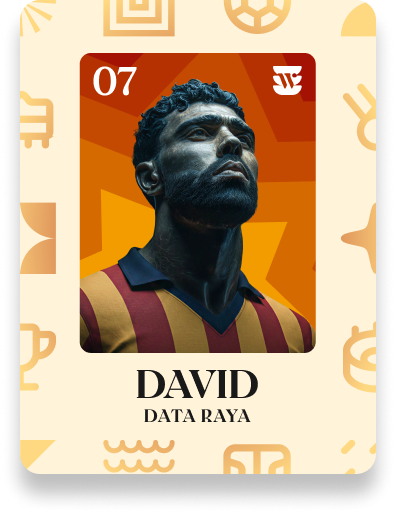
David Data Raya is shopping for a new pair of goalkeeper gloves — proper ones, not the flimsy pair he swore he would replace last season. He finds a brand he likes, clicks into a product page, and starts doing what cautious shoppers do when they are interested but not yet convinced. He checks grip details. He reads shipping information. He scans returns. He looks for the fine print no one is supposed to notice until it is too late.
Then he gets to the moment brands tend to underestimate. The invitation to stay in touch appears. For some shoppers, that is routine. For David, it is a trust test.
He is not only deciding whether the gloves are worth buying. He is deciding whether this brand deserves his information. Whether signing up means useful alerts or an avalanche of messages. Whether his data will be handled responsibly or treated like the price of admission. Whether this is the beginning of a relationship or just another way to get followed around the internet for the next two weeks.
That hesitation matters more now than ever. Modern marketing lives in a world where privacy, consent, and data handling are not background concerns — they are part of the experience itself. Shoppers have become more alert to how brands collect information, how often they communicate, and whether that communication feels earned. The technical side matters, but from the customer’s point of view, trust is emotional before it is operational.
That is what makes David such a useful goalkeeper for this roster. His chapter is not about the loudest conversion moment. It is about the clean sheet. The quiet confidence of a brand that protects the relationship before it asks too much of it. The understanding that security and privacy are not merely compliance boxes to tick, but conditions for performance. If the customer does not trust you with their data, they will not give you the chance to market to them well.
This is where Wunderkind’s privacy-first approach becomes a real use case, not just a line in a deck. The company’s identity and activation model is built around permissioned profiles and privacy-compliant identifiers, helping brands recognize and act on more of their traffic without treating compliance like an afterthought. In practical terms, that means marketers can build smarter, more effective owned-channel relationships in ways that respect the rules and the customer at the same time.
In David’s story, that shows up in small but important ways. The sign-up prompt is clear about what he is getting. The language feels straightforward instead of slippery. The invitation is tied to something useful — product updates, availability, relevant follow-up — not vague promises about “news” that usually translate into inbox clutter. The moment feels intentional, not opportunistic.
So he signs up. Not because the brand dazzled him. Because it reassured him.
That is a lesson marketers often skip past when talking about performance. We love the big numbers: reach, lift, conversion, revenue. But those outcomes depend on a quieter foundation. A customer who trusts the brand enough to stay in contact. A shopper who does not feel punished for opting in. A relationship that begins with clarity instead of suspicion.
Later, when the follow-up arrives, it lands differently because the first impression was handled well. The email does not feel invasive. The reminder feels connected to the product he actually cared about. The brand has kept the promise of relevance without crossing the line into overfamiliarity. In a category where customers are increasingly alert to privacy and data use, that restraint is not weakness. It is good goalkeeping.
David comes back and buys the gloves. But the more important win happened earlier, when the brand proved it could be trusted with more than a click. That is why David Data Raya belongs in the lineup.
Every good team needs someone protecting the net. Every modern brand needs the equivalent in its customer journey: a way to safeguard trust, respect data, and make privacy feel like part of the value exchange rather than a legal footnote.
Because the best relationships are not only built on recognition.
They are built on knowing how to protect what recognition requires.