



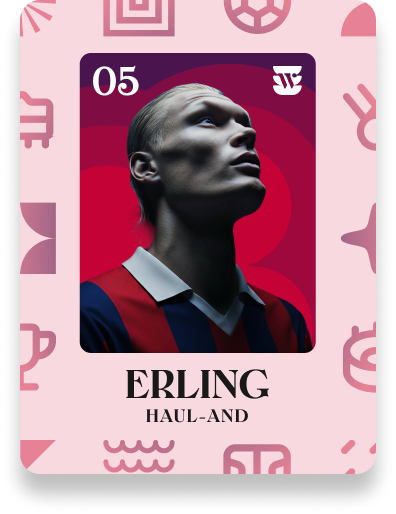
 Erling Haul-and does not believe in small baskets.
He shops the way some people build a five-a-side squad: one essential becomes four, then six, then suddenly the cart looks like preparation for an entire season. A home jersey. An away jersey. Match socks. A new ball. Training shorts. A pair of boots that cost more than he originally planned to spend. By the time he is done, the basket is substantial enough to make any ecommerce team sit up a little straighter.
This should be a dream scenario. Instead, for many brands, it is the exact moment they start making fearful decisions.
Erling reaches the cart, pauses to think, and the machine misreads the pause as danger. Out comes the popup. Here comes the promo code. A few minutes later, the triggered offer arrives as if the only imaginable explanation for hesitation is price.
It is one of the stranger habits in modern ecommerce: a shopper proves they are willing to spend generously, and the brand responds by rushing to lower the value of the order.
Sometimes that offer is useful. Sometimes it rescues revenue that would otherwise disappear. But often it is unnecessary. And when it is unnecessary, it is expensive.
That is what makes Erling such a helpful shopper story. He is not a bargain hunter lurking for the biggest markdown. He is a high-value customer acting exactly like a high-value customer: building a large basket, taking a beat before checkout, and expecting the brand to keep up without giving away the game. The pause is not always a sign of resistance. Sometimes it is just the natural rhythm of a bigger purchase.
The challenge is knowing the difference. This is where identity and decisioning matter most when they work together. Identity helps the brand understand more about the person behind the basket — what they have done before, how they tend to shop, whether they appear sensitive to discounts or simply deliberate. Decisioning helps determine the right response based on that fuller picture, including whether an incentive is necessary at all. Modern performance systems are not just about sending more messages; they are about making better choices across channels, moments, and customer types.
In Erling’s case, that choice is restraint. The brand recognizes the basket for what it is: not a distressed order, but a valuable one. It avoids the reflexive discount. It keeps the follow-up focused on the products, the convenience, and the continuity of the journey rather than immediately reaching for percentage-off language. The message that comes later feels like service, not surrender.
And because the brand did not train him to expect a deal, the purchase still closes on strong terms.
That matters beyond a single conversion. Promotions have memory. Shoppers learn quickly when a retailer is predictable with incentives. If every moment of hesitation unlocks a code, the cart becomes less about intent and more about timing the exit. Over time, the brand teaches even willing buyers to behave like discount seekers.
That is a hard lesson to unteach. Smarter incentive strategy is not about becoming stingy. It is about preserving judgment. Use the discount where it changes the outcome. Hold it back where it does not. Let the customer’s behavior tell you what kind of nudge is actually needed. Sometimes the answer is a stronger offer. Sometimes it is just a reminder that their basket is still there, filled with exactly the items they spent twenty minutes choosing.
Erling comes back later that evening and checks out. Big basket. No markdown. No unnecessary margin sacrifice. Just a brand that recognized a valuable shopper and resisted the urge to solve the wrong problem.
That is the part marketers sometimes miss when they talk about conversion optimization. The objective is not simply to close the sale by any means necessary. It is to close the sale in a way that grows revenue sustainably, protects profitability, and does not cheapen the relationship.
Erling Haul-and makes that lesson hard to ignore. Because when a customer shows up ready to buy half the store, the smartest thing a brand can do is stop treating them like someone who needs to be bribed into caring.
Sometimes the win is not the offer you sent.
It is the one you knew not to send.