



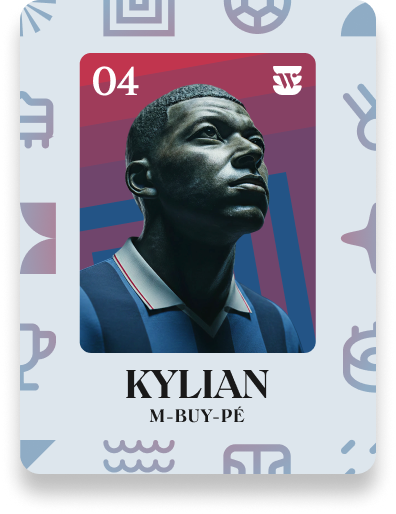
 The drop goes live at 9:00.
By 9:02, Kylian M-buy-pé is already on the site.
He is there for one thing: a limited release of lightweight boots that everyone in football group chats has been talking about for a week. He does not arrive gently. He moves like someone who knows scarcity when he sees it. Category page. Product page. Alternate image. Size selector. Back to product page. Quick scroll. Gone.
The whole visit lasts less time than it takes most marketing systems to decide whether it mattered. That is what makes speed shoppers so hard to win. They generate strong signals, but in compressed form. There is no leisurely browse. No long session filled with obvious intent. No neat sequence of actions that builds toward a comfortable conclusion. There is just a burst of attention, a few meaningful behaviors, and then silence.
For brands that rely on slow, disconnected processes, that silence is usually the end of the story. A report sees the visit later. A triggered program evaluates it on a delay. A message goes out after the energy is gone. What could have been a timely response turns into a stale reminder that arrives after the shopper has already moved on, bought somewhere else, or forgotten the urgency that made the moment valuable in the first place.
Kylian is the kind of shopper who exposes the difference between reactive marketing and responsive marketing. Reactive marketing says: we noticed something happened. Responsive marketing says: we knew it mattered while it was happening.
That difference is where real-time activation earns its place. Wunderkind is built around recognizing more site visitors and responding to behavioral signals while intent is still fresh, not hours after the fact. When a fast-moving shopper lands, browses, and leaves in seconds, the brand still has a chance to act in time — with an onsite experience, a coordinated follow-up, or the next best move based on the strength of the signal and the shopper behind it.
In Kylian’s story, that changes the outcome. The brand recognizes immediately that this was not a low-value bounce. The visit was short, yes, but it was purposeful. The shopper went straight to the limited release. He engaged with the size selector. He checked the imagery. He moved like someone deciding, not wandering.
So the response is fast enough to matter. When he comes back a little later — because of course he does — the site meets him with continuity instead of amnesia. The product is waiting. The urgency still feels real. The reminder that follows is tied to the actual item he cared about, not a generic category message that misses the point. The brand does not overcomplicate the play. It simply acts before the moment dies.
That is often all speed shoppers need. Marketers sometimes assume that fast behavior means weak intent. Sometimes it does. But often it means the opposite. A decisive shopper does not always linger. A shopper chasing a drop does not need to browse twelve pages to prove interest. In high-speed journeys, brevity can be a stronger signal than length.
That is why real-time activation is not just about moving quickly for its own sake. It is about matching the pace of the customer. If the shopper moves in seconds and the brand responds in hours, the journey is already broken. If the shopper moves fast and the brand can keep up, what looked like a fleeting chance becomes a recoverable one.
By lunchtime, Kylian has checked out. Boots secured. Crisis averted. Group chat satisfied.
The funny thing is that from the outside, it looks simple. A shopper came, left, came back, and bought. But simplicity is usually the result of invisible competence. Behind the scenes, the brand had to recognize the signal, understand its urgency, and act before the window closed.
That is why Kylian M-buy-pé belongs in the lineup.
He represents the moments that do not give marketers time to debate. The visits that are over almost as soon as they begin. The opportunities that reward speed, clarity, and a system built to respond while the customer still cares.
When they move fast, your marketing has to move faster.
Otherwise the whistle blows before you ever touch the ball.