




Even the world’s best can miss a chance — especially when you don’t recognize them
Player #1: Cristiano Add-to-Cart-aldo
 Cristiano Add-to-Cart-aldo is not browsing for fun. He is not wandering around the sale section. He is building a premium cart with purpose — think limited-edition boots, a premium match jersey, and the kind of training gear that never goes on markdown. He lands on site, moves through high-value product pages, adds items confidently, and gives every signal that he knows exactly what he wants. Then, just before the finish, he is gone.
This is the moment where many brands make an unforced error. A cart is abandoned, panic sets in, and out goes the generic 20% off offer. The assumption is simple: if he left, price must be the problem. But not every shopper who pauses needs a discount. Some shoppers need recognition. Some need a reminder. Some need the brand to understand the difference between hesitation and price sensitivity.
With Wunderkind, brands can identify that this is a high-intent, high-value shopper and respond accordingly. Instead of defaulting to margin-eroding incentives, they can suppress unnecessary discounts and follow up with a message that reflects the value of the cart and the likelihood to convert. AI decisioning helps determine what should happen next and whether the right move is email, text, onsite, or restraint. The result is simple: better conversion without giving away revenue you did not need to lose.
Not every shopper needs a discount. Some just need to be recognized.
Player #2: Lionel Messy Journey
 Lionel Messy Journey is a marketer’s most familiar headache. He is shopping for a custom kit, comparing boots, and bouncing between tabs full of jerseys, shin guards, and match-day extras.
He starts browsing on his phone during a commute. Later, he comes back on his laptop and checks a few more products. That night, he opens a tablet, adds an item to cart, and disappears again. Without a strong identity layer, he looks less like one shopper and more like three unrelated visitors who happen to be interested in the same thing.
That is where journeys break down. When browsing behavior fragments across devices and sessions, context disappears with it. The same person gets treated like multiple anonymous users. Product interest is lost. Retargeting becomes generic. Follow-up timing gets worse. Personalization starts over again and again, never quite catching up to the actual customer.
Modern customer behavior is not linear, and most brands know it. People move fluidly between phones, laptops, tablets, and sessions that do not neatly connect on their own. The problem is that too many systems still behave as if every journey should be tidy and sequential.
Wunderkind changes that by making the journey recognizable. Identity resolution connects those disconnected moments into a single profile with a broader behavioral history. Instead of seeing three visitors, the brand sees one shopper moving through a real buying process.
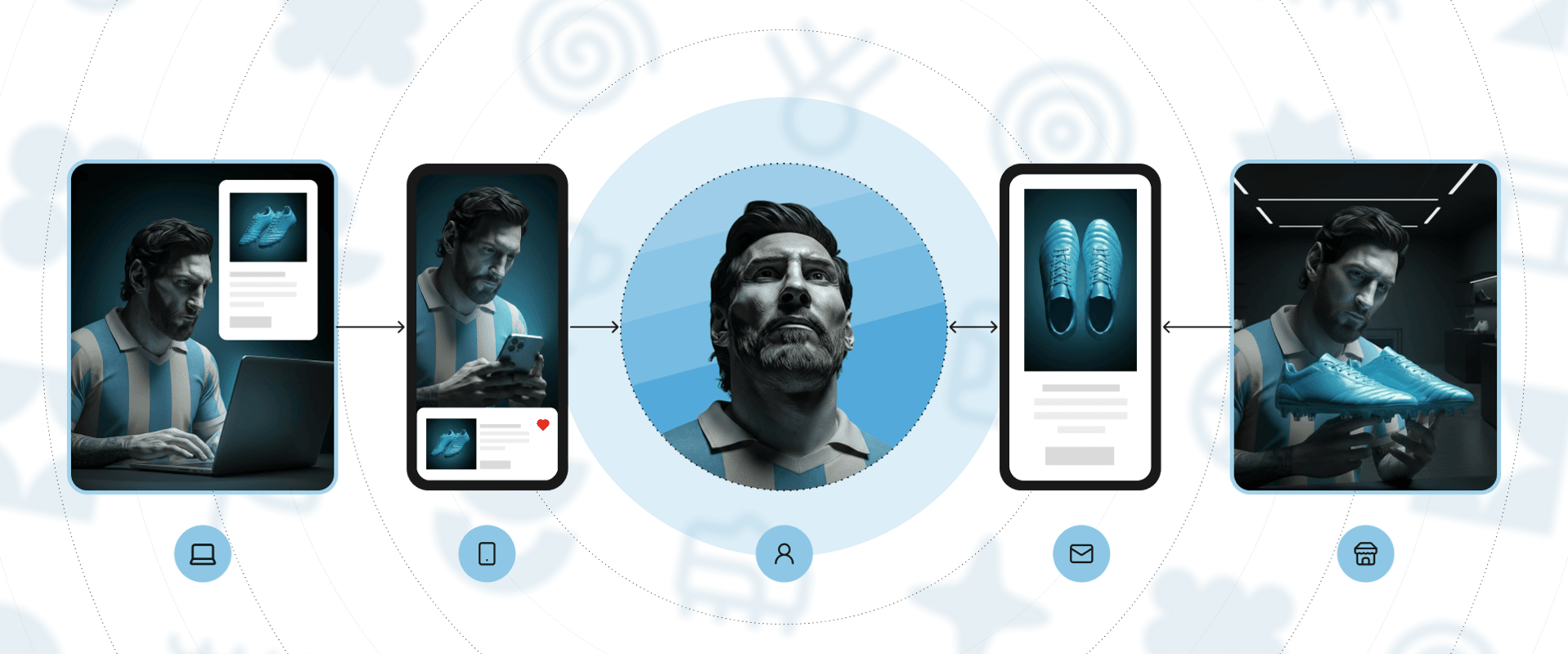
That fuller picture makes messaging smarter, retargeting more relevant, and conversion more likely. What looks messy on the surface is often just modern intent in motion.
One player. One journey. Not three anonymous visitors.
Player #3: Harry Can Convert
 Harry Can Convert is always close. He has been eyeing a new pair of boots for days, reading reviews, checking sizing, and revisiting the same product page like he is waiting for someone to give him a reason to finally commit. He has deep product views. He comes back more than once. He spends time with the details. He gives all the signs of a likely buyer — and still does not cross the line. This is the danger zone for static marketing logic. Brands see high intent, but they respond with the same rigid playbook they use for everyone else: wait two hours, send one email, maybe follow with another, and hope the sequence does the job. Sometimes it works. A lot of the time, it does not.
The issue is not that marketers are missing intent. It is that traditional journeys are too brittle to respond to it well. They rely on pre-set rules, fixed delays, and broad assumptions about what should happen next. Real shoppers do not behave that neatly, and high-intent moments rarely wait around for manual logic to catch up.
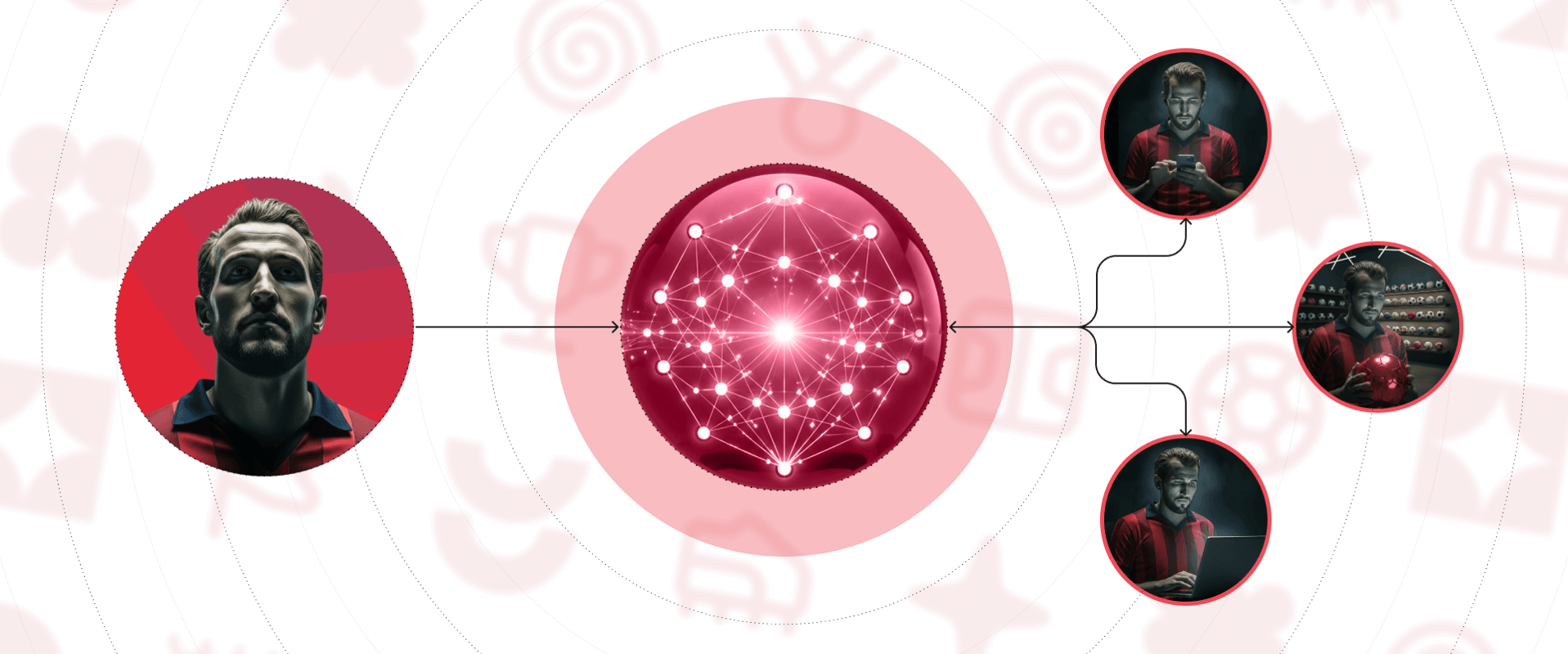
With Wunderkind, AI decisioning helps brands move beyond static if/then workflows. Instead of forcing Harry through a fixed sequence, the platform evaluates who he is, what he has done before, what he is doing right now, and what action is most likely to create value. That action might be an email. It might be a text. It might be an onsite experience. It might even be no message at all if that is the better decision for the customer experience and the business outcome. Close does not count for much in marketing. Conversions do.
Close does not count. Conversion does.
Player #4: Kylian M-buy-pé
 Kylian M-buy-pé does everything at speed. He is chasing a limited drop — the new lightweight boots, the fresh training top, the gear everyone wants before it sells out. He lands on site, scans fast, scrolls faster, and leaves before most brands have even figured out what they are looking at. To a traditional system, he is a blur. To a modern marketer, he is a perfect example of why timing matters.
Not every valuable shopper settles in for a long browsing session. Some signals show up in seconds. A product view. A fast return visit. A short burst of category exploration. A sudden bounce after strong engagement. These are the moments that separate reactive marketing from responsive marketing. When systems are slow, disconnected, or rule-bound, the opportunity is already gone by the time a brand decides to act. What could have been a well-timed nudge becomes a late follow-up with no momentum behind it.
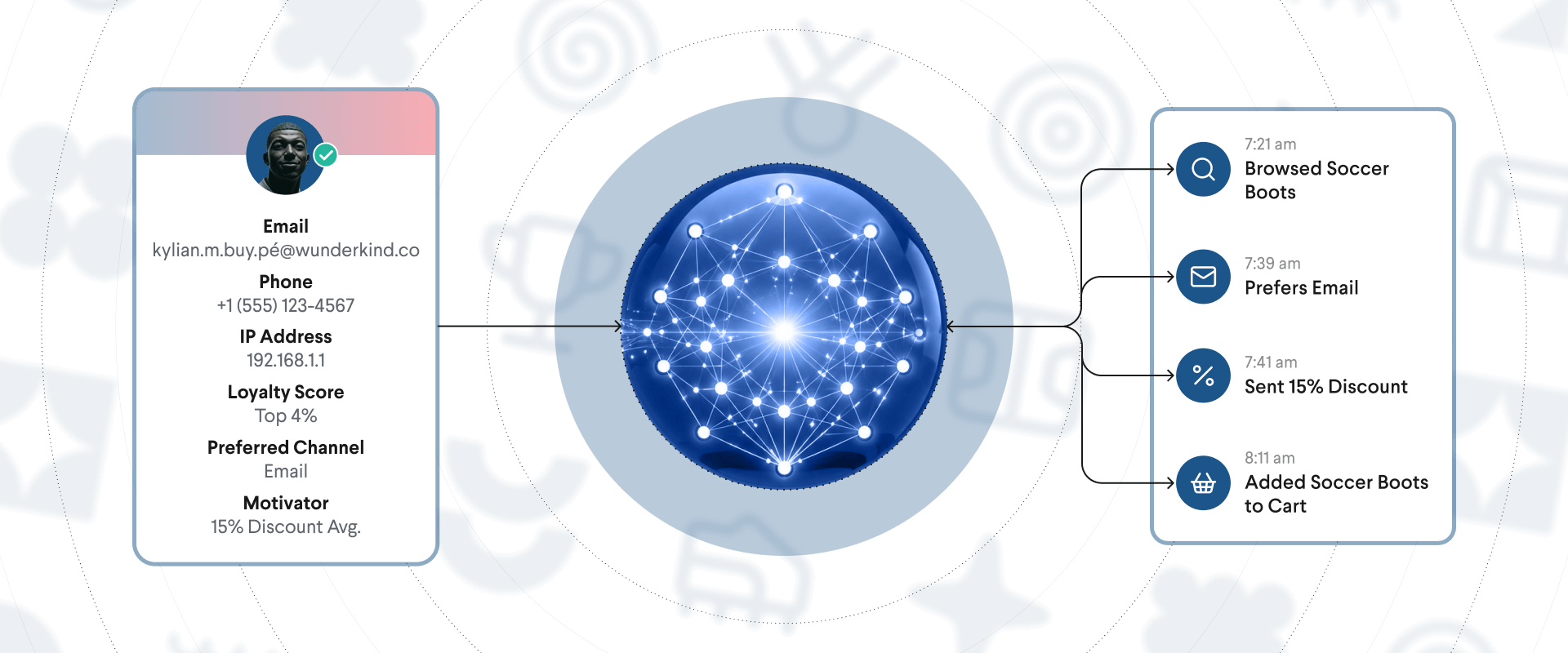
Wunderkind is built for the speed of actual customer behavior. Signals from the site help capture what the shopper is doing in the moment, and the platform can respond while intent is still fresh. That might mean a real-time onsite experience, a fast follow-up, or a coordinated channel decision based on the strength of the signal and the identity behind it. For fast-moving shoppers, timing is not a nice-to-have. It is the difference between a missed chance and a recovered one.
When they move fast, your marketing has to move faster.
Player #5: Erling Haul-and
 Erling Haul-and is not building a cart. He is building a basket — multiple jerseys, socks, boots, a ball, and enough training gear to outfit half a five-a-side team. He is loading up on products, signaling strong intent, and behaving like exactly the kind of customer a brand should want to keep happy. And yet this is often where brands give away margin for no good reason. A high basket value shows up, the shopper hesitates, and the system treats that pause as proof that a discount is required. Out goes the pop-up. Out goes the promo code. Out goes the offer that chips away at profitability even though the shopper may have converted without it.
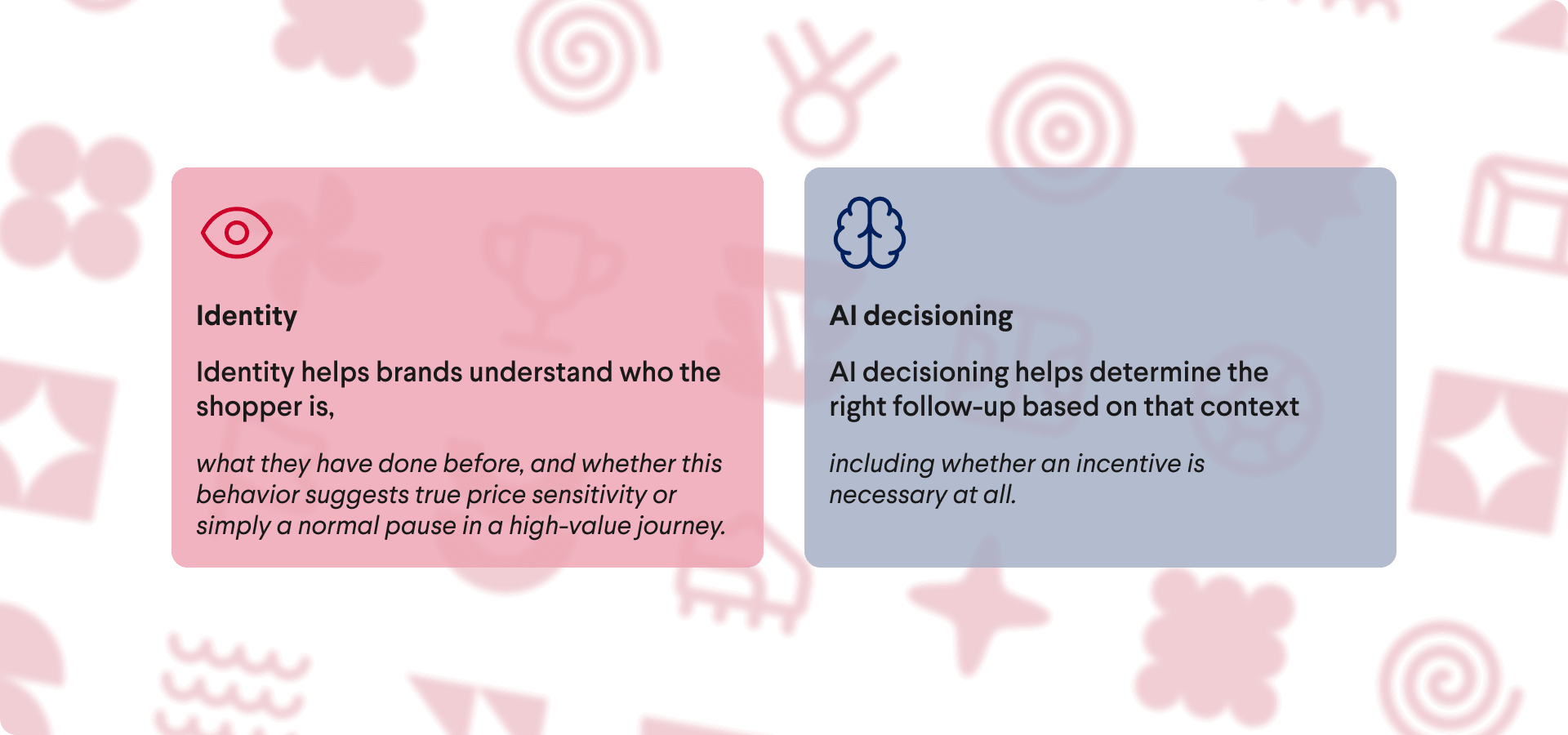
This is one of the clearest examples of why identity and decisioning matter together. Identity helps brands understand who the shopper is, what they have done before, and whether this behavior suggests true price sensitivity or simply a normal pause in a high-value journey. AI decisioning helps determine the right follow-up based on that context — including whether an incentive is necessary at all. The goal is not to remove incentives from the playbook. It is to use them intelligently. A shopper who truly needs a nudge should get one. A shopper who is likely to convert anyway should not be trained to wait for a markdown.
Better targeting does not just improve conversion. It protects margin, preserves brand value, and keeps promotions from becoming the default answer to every moment of uncertainty.
Stop handing out discounts like participation trophies.
Player #6: Christian Pull-you-in-sic
 Christian Pull-you-in-sic is not the shopper who abandoned a cart or nearly converted. He arrives earlier than that — browsing a national team jersey, a training top, and a few pieces of supporter gear, but not yet ready to buy on the first visit. He is circling. Comparing. Coming back. Reading just enough to suggest that interest is building, even if checkout is still a few plays away. This is where brands often get clumsy. They throw the same generic popup at everyone. They ask too soon. They offer too much. Or they wait so long that the visitor leaves without a trace.
What should feel like an invitation starts to feel like an interruption. The smarter move is not to shout louder. It is to make the first ask feel earned. When a brand can read signals like depth of visit, repeat behavior, and product interest, it can choose a capture moment that actually fits the shopper in front of it — whether that is a back-in-stock alert, a price-drop notification, early access, or simply a reason to stay in touch.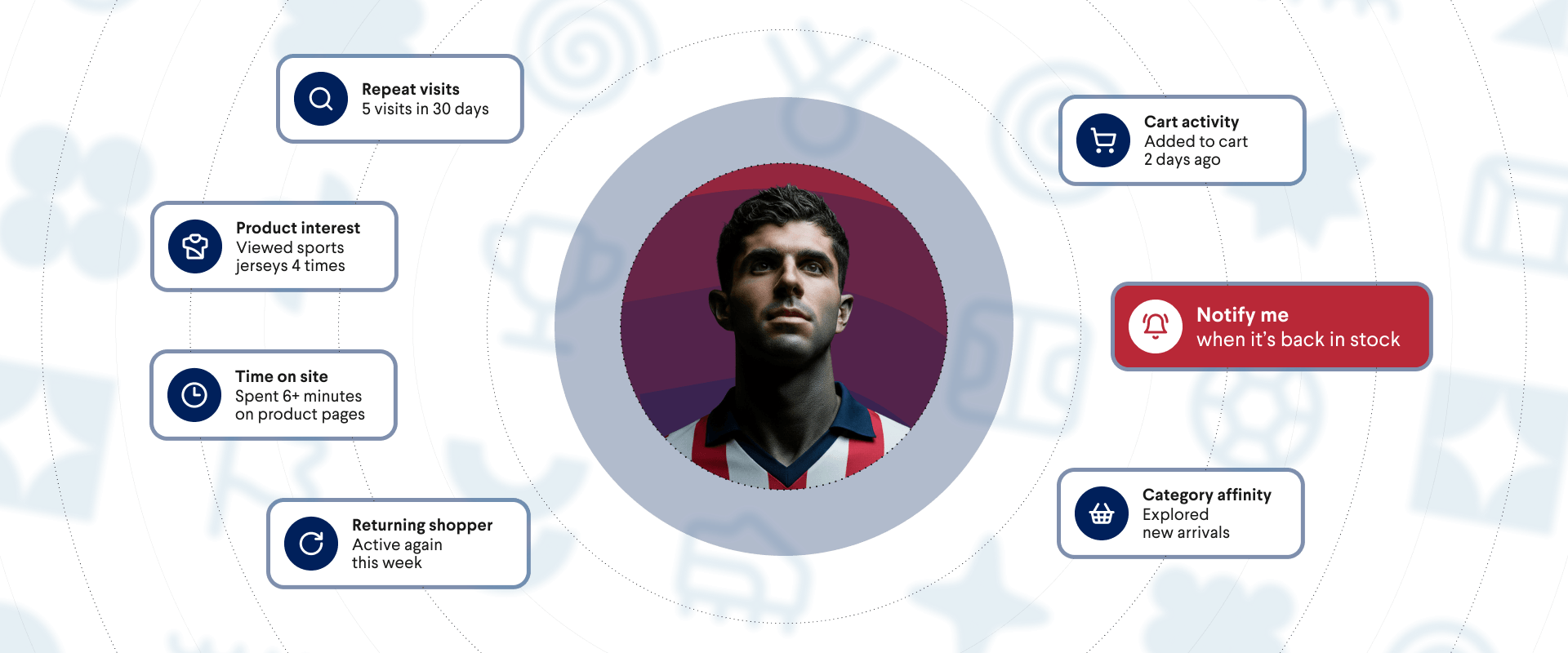
That is Christian’s role in this lineup. He represents the shoppers who are not ready to buy today, but are ready to raise a hand. With Wunderkind, brands can turn that anonymous interest into a permissioned relationship they can build on later through email or text. Not every valuable visitor is a recovery story. Some are future revenue waiting for a better introduction.
Before you win the conversion, you have to win the contact.
Player #7: David Data Raya
 David Data Raya is not hard to win because he lacks interest. He is hard to win because trust is part of the purchase. He is browsing goalkeeper gloves, reading the fine print, and weighing whether this brand has earned the right to ask for his information. This is where brands often get the moment wrong. They treat privacy like a disclaimer instead of part of the customer experience. They ask too quickly. They make the value exchange fuzzy. They forget that for some shoppers, handing over an email address or phone number is not a small step. It is a trust test.
Wunderkind helps brands meet that moment more thoughtfully. The goal is not simply to identify more traffic. It is to build a privacy-first relationship that feels clear, secure, and worth saying yes to. When that happens, recognition does not come at the expense of trust. It starts with it. Because some of the most valuable shoppers are not waiting for a discount or a reminder. They are waiting for a brand to make the relationship feel safe enough to begin.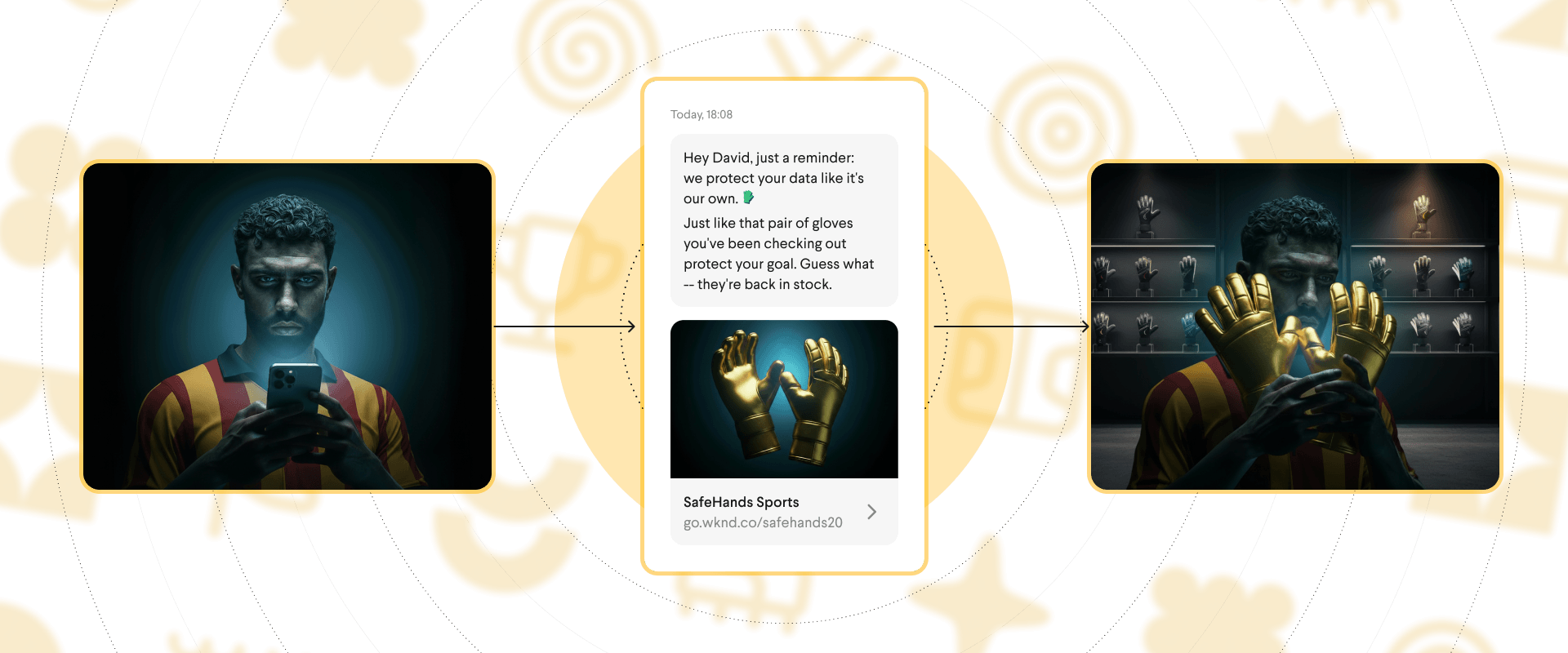
Before you win the contact, you have to earn the trust.